A reference covering residential heating systems, building envelope insulation, and the energy audit process — written for homeowners navigating Canada's cold-climate reality.
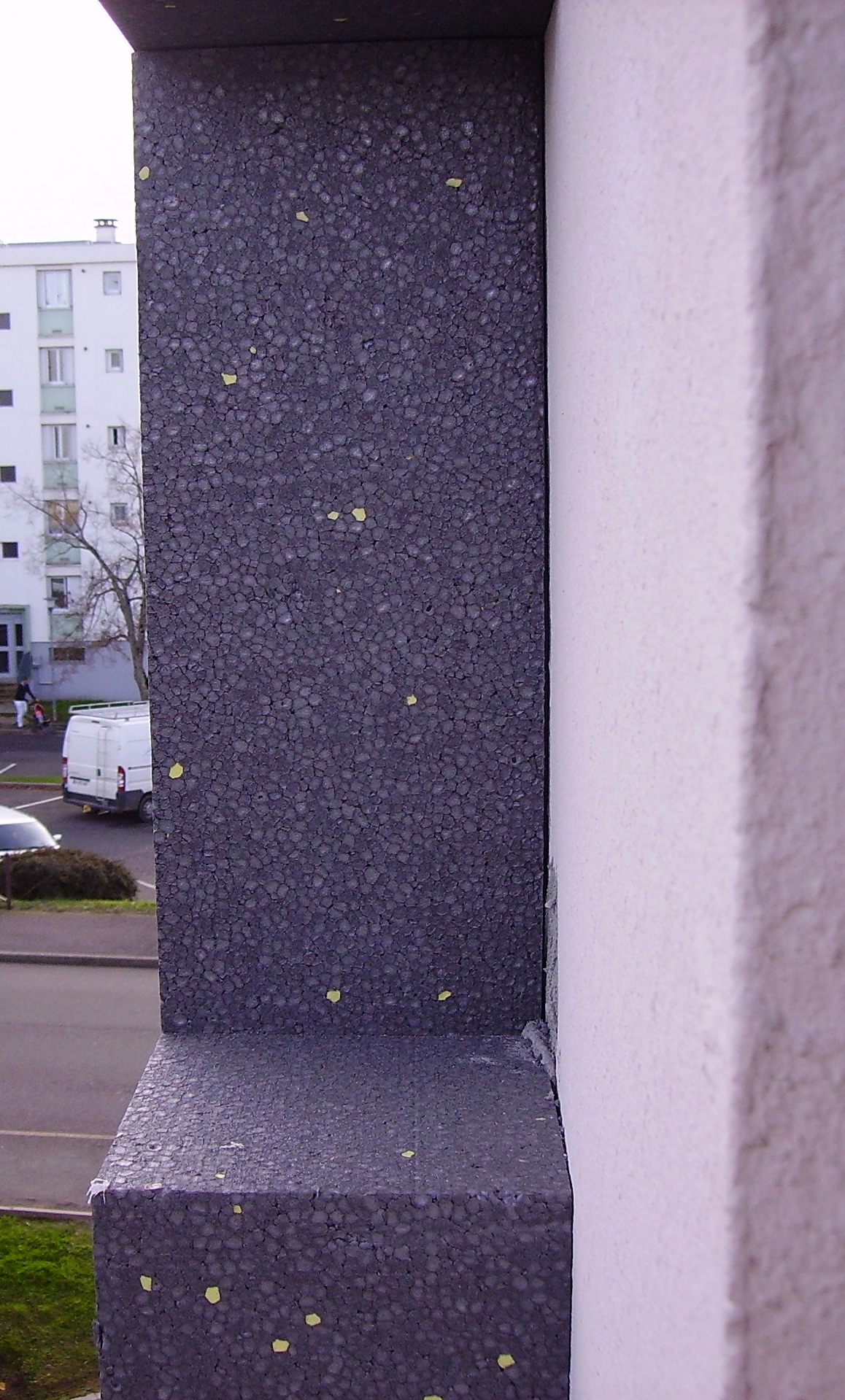
Air leakage, thermal bridging, and inadequate R-values account for most heating costs. A breakdown of where heat escapes and which fixes deliver the best return.
Natural gas furnaces, electric heat pumps, hydronic baseboard, and wood pellet — a side-by-side look at efficiency ratings, upfront costs, and operating expenses in sub-zero conditions.
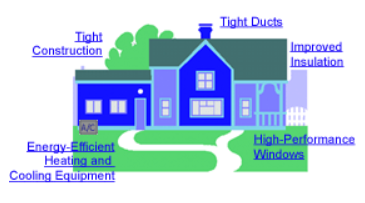
A certified energy advisor examines more than just the furnace. From blower-door tests to thermal imaging, here's what the EnerGuide audit process actually involves.
The National Building Code of Canada sets minimum effective thermal resistance (RSI) values for attics, walls, and foundations. Provincial codes often exceed federal minimums — Ontario's SB-12 and BC's Part 10 are among the most demanding. Understanding which RSI tier applies to your climate zone is the starting point for any retrofit.
Read about insulationLocalHearth.org covers residential heating and energy efficiency for homes in Canada's cold-climate regions. The content focuses on technical accuracy: R-value and RSI equivalents, AFUE and HSPF ratings, EnerGuide scoring, and NRCan rebate programs that change year to year.
Articles are written for homeowners making real decisions — not for search engines. References are drawn from Natural Resources Canada, the NRC's Institute for Research in Construction, and provincial energy offices.
More about this site
LocalHearth.org
1200 St. Laurent Blvd, Suite 301
Ottawa, ON K1K 3B8, Canada
Phone: +1 (613) 555-0142
Email: info@localhearth.org
Canada's EnerGuide label rates a home's annual energy consumption in gigajoules. A lower number means a more efficient home. Homes built before 1980 typically score between 300–500 GJ; a well-retrofitted house can reach below 100 GJ. The label is issued after a licensed energy advisor completes an on-site evaluation.
Read about energy audits